
Agency approvals
Land Use and Development Permitting in Oregon and Washington
Complete submittal packages, land use narratives, floodway certifications, and comment responses. This is the engineering side of getting a project approved.
Permits stall on a short list of things: a missing stormwater report, a utility plan that does not match the land use plan, a floodplain question nobody asked, a narrative that does not respond to the approval criteria. A submittal that arrives complete gets reviewed once. One that arrives with a gap gets a comment letter, a revision cycle, and a place at the back of the queue.
Cascadia Civil assembles the engineering components of development permits and, on smaller projects, the land use narrative itself. Where it helps, we coordinate with reviewers before submitting. When comments come back, we write the responses and revise the plans.
We work alongside land use planners and attorneys on complex entitlements, and directly with owners and builders on simpler ones. Either way, the engineer who designed the project is the one talking to the reviewer.
What’s included
Land use and engineering permits, assembled and tracked.
Land use
- Pre-application meeting preparation
- Land use narratives addressing the approval criteria
- Adjustments and variances supported by engineering findings
- Partitions, subdivisions, and middle housing land divisions
- Preliminary grading, utility, and stormwater plans
Engineering permits
- Site development and public works permit packages
- Stormwater reports to the governing manual
- FEMA No-Rise certifications and floodplain development permits
- Building permit structural submittals
- Floodway, wetland, and in-water permitting support
- Comment responses and resubmittals
How it works
From first question to finished project.
Identify the permits
We map the permits the project needs, which agencies issue them, and the order they run in, including the ones that commonly get missed.
Prepare for the pre-application conference
We go in with specific questions, so the meeting settles issues instead of raising new ones.
Assemble the package
Plans, reports, narratives, and forms are checked against the jurisdiction's completeness requirements before submittal.
Review and respond
We track the review, answer reviewer questions, and prepare comment responses and revised plans.
Conditions and closeout
After approval, we help satisfy conditions of approval, prepare final plans, and provide the certifications needed to close permits.
Related services
Related projects
Permitting work in Oregon and Washington.
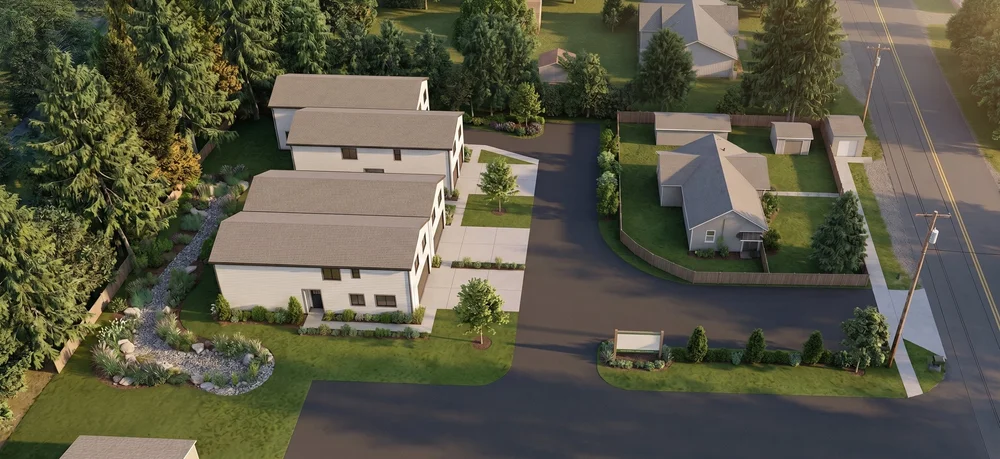
Land Development / Permitting
37th Avenue Infill Partition for Two New Duplexes on a Constrained Salem Lot
Salem, Oregon
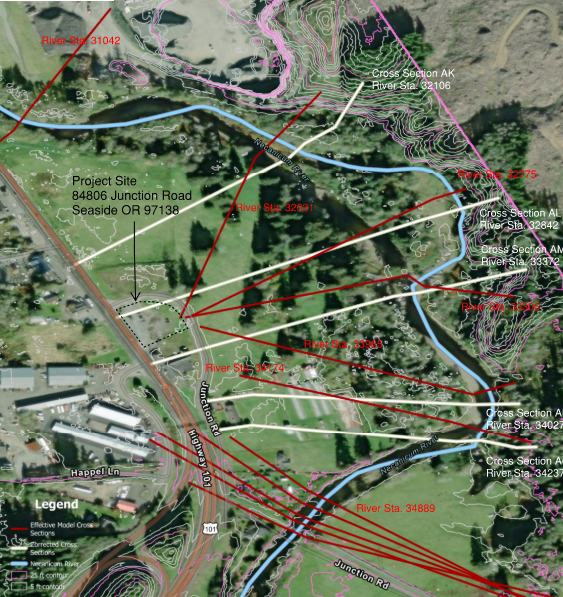
Water Resources / Permitting
Necanicum River Floodway No-Rise Certification for a New Seaside Commercial Building
Seaside, Oregon
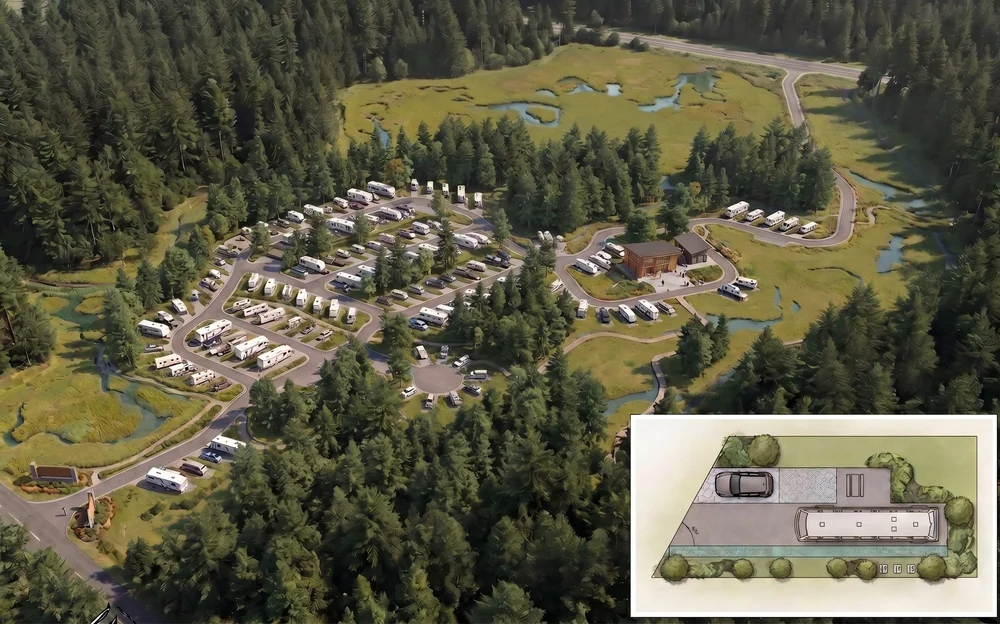
Land Development / Permitting
Chinook Village RV Park: Civil Infrastructure on Floodplain Soils Along the Skipanon River
Warrenton, Oregon
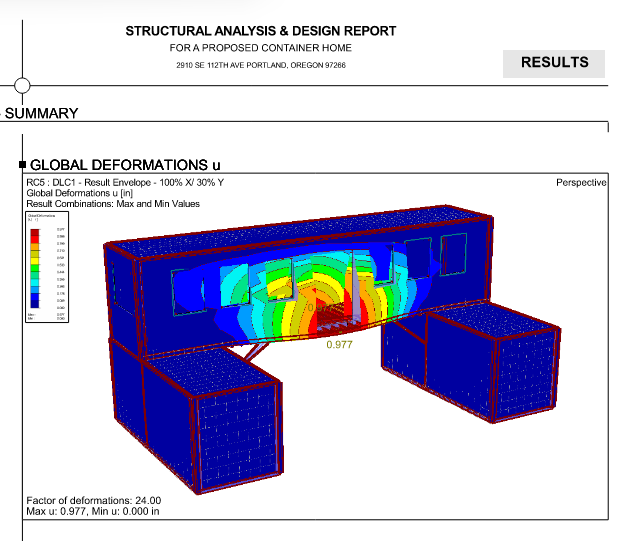
Structural / Permitting
Southeast Portland Multi-Container ADU: Opening Reinforcement and Permit Set
Portland, Oregon
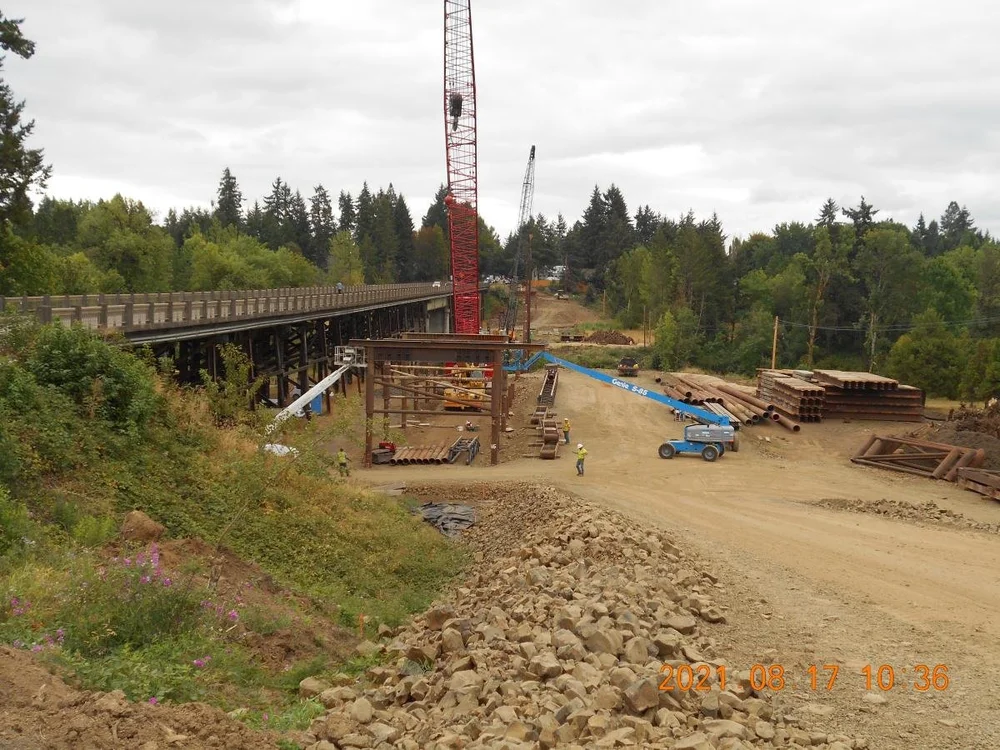
Water Resources / Permitting
DeJong Road Bridge Rehabilitation No-Rise Analysis on the South Yamhill River
Sheridan, Oregon
Completed by our principal engineer while at a previous firm.
Questions
Frequently asked questions.
Do you prepare land use applications, or do I need a planner?
On smaller projects such as partitions, adjustments, and site plan reviews, we can prepare the application and narrative alongside the engineering. Larger or contested entitlements are better served by a land use planner or attorney. We will work with yours or recommend one.
What is a pre-application conference, and should I request one?
Most Oregon and Washington jurisdictions offer a meeting with planning, engineering, and other staff before you apply. For anything beyond a simple project it is worth requesting, because it surfaces frontage improvement, stormwater, and utility requirements while the design can still change cheaply.
Why do permit applications get sent back?
The most common reasons are incomplete submittals, plans and reports that do not match each other, stormwater reports that do not follow the governing manual's format, and narratives that do not respond directly to the approval criteria. Most are preventable with a completeness check before submittal.
How long does permitting take?
It depends on the jurisdiction, the type of review, and how many revision cycles are needed. In Oregon, many city land use decisions must be made within 120 days of a complete application, but engineering permit reviews vary widely. We give a project-specific estimate once we know the jurisdiction and scope.
Start a project
Stuck in review, or about to apply?
Send the project address and where things stand. We will tell you what the reviewer is likely to need.