
Hydraulics & habitat
Water Resources Engineering in Oregon and Washington
Fish passage, stream restoration, floodplain analysis, and hydraulic and stormwater modeling. This is the technical work where a model has to hold up to agency review.
Fish passage barriers, regulatory floodways, and stormwater compliance all come down to a model somebody has to defend. We build models to the standard the reviewing agency applies (the WDFW Water Crossing Design Guidelines, Oregon fish passage criteria, FEMA floodway requirements, the governing stormwater manual) and document the assumptions, so the review is about the engineering.
Water resources is the core of this practice. Our principal engineer has designed fish passage crossings and stream channels on WSDOT design-build programs, county road crossings, and BLM forest road decommissioning projects. He has also modeled urban drainage basins and regulated floodways from the Oregon coast to Puget Sound.
Stream and habitat projects are also where coordination matters most. Tribes, state fish and wildlife agencies, watershed councils, salmon recovery groups, and landowners each have a stake in the design. We are comfortable working inside that process, and our principal engineer serves on the board of the Johnson Creek Watershed Council.
What’s included
Hydraulics, hydrology, and habitat design.
Fish passage & streams
- Fish passage barrier assessment and replacement design
- Stream simulation and bridge-method crossing design
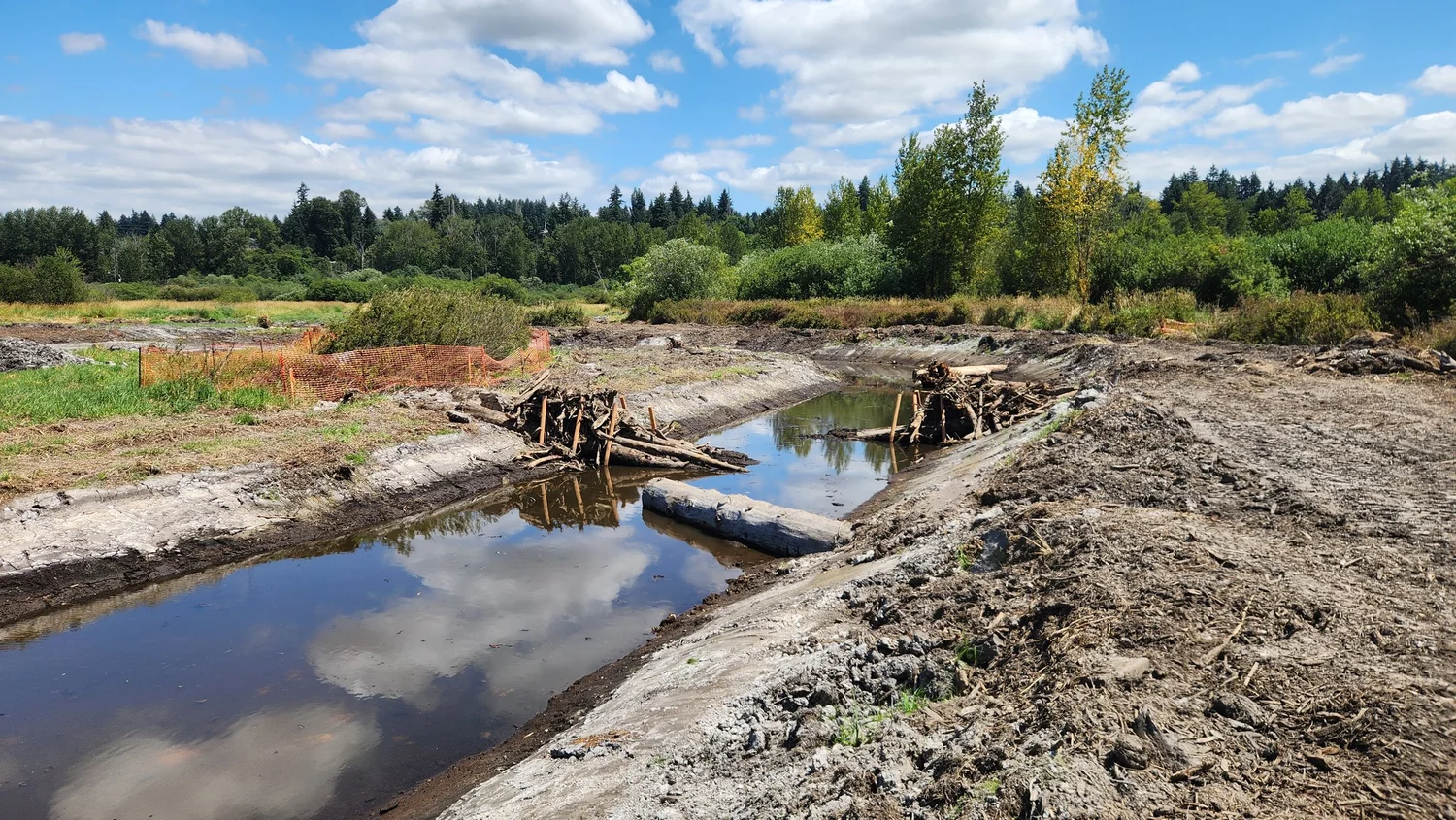
- Stream restoration and channel realignment
- Streambed material and grade control design
- Large woody material and habitat structures
- Scour analysis to HEC-18 and countermeasure design
Hydraulics & hydrology
- 1D and 2D hydraulic modeling (HEC-RAS, SRH-2D)
- Hydrology, including StreamStats and continuous simulation
- FEMA No-Rise analysis and floodway permitting support
- Urban drainage modeling (PCSWMM, XP-SWMM)
- Stormwater facility analysis and design
- Construction-phase stream diversion and observation
Specialties
Water Resources specialties, in depth.
Detailed guides to specific services within this line: when they are required, how we perform them, and what drives the timeline and cost.
How it works
From first question to finished project.
Hydrology first
Design flows set everything downstream of them. We establish them with the method the agency expects, including climate-adjusted flows where WDFW or WSDOT requires them.
Existing conditions model
Terrain, survey, and field observations go into a model of existing conditions, checked against observed behavior where data allow, so everyone agrees on the baseline.
Design and test alternatives
Crossing sizes, channel geometry, and habitat features are tested against passage criteria, flood levels, and scour before they are drawn.
Document and permit
A hydraulic report written for the reviewer, plus supporting material for the HPA, JARPA, Oregon Joint Permit Application, and floodplain permits.
Build it
Construction observation, contractor questions, diversion design, and as-built documentation, because stream projects change once the water is moved.
Related services
Related projects
Water Resources work in Oregon and Washington.
Water Resources
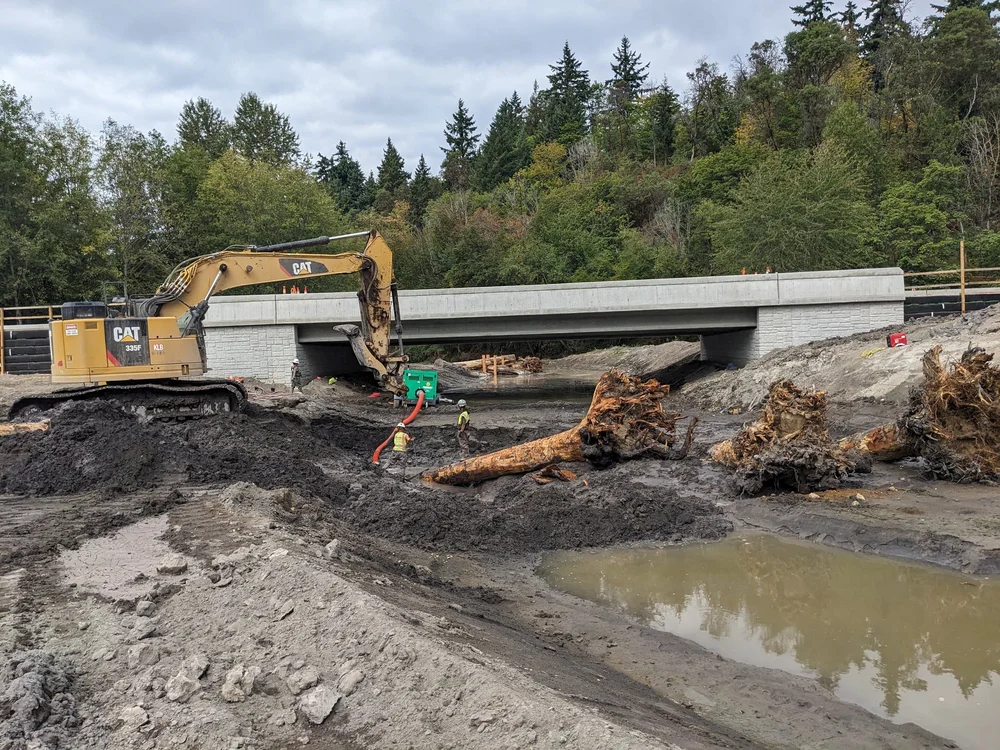
Chico Creek Fish Passage: Four Barriers Corrected Under SR 3 and Chico Way
Kitsap County, Washington
Stream design by our principal engineer while at a previous firm.
Water Resources
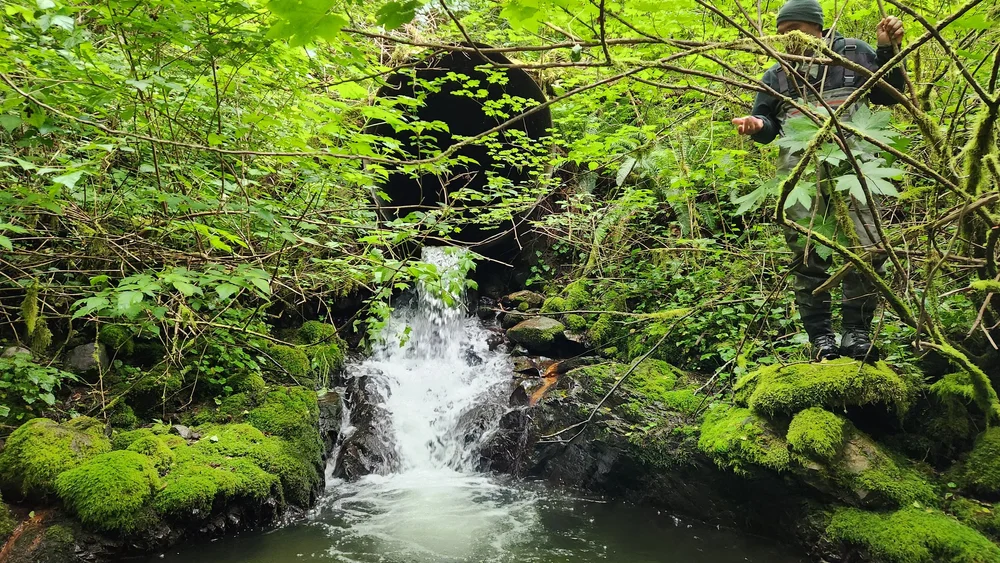
Hoko River Tributaries Fish Barrier Removal and Hatchery Water Intake
Clallam County, Washington
Completed by a Cascadia Civil principal engineer at a previous firm.
Water Resources
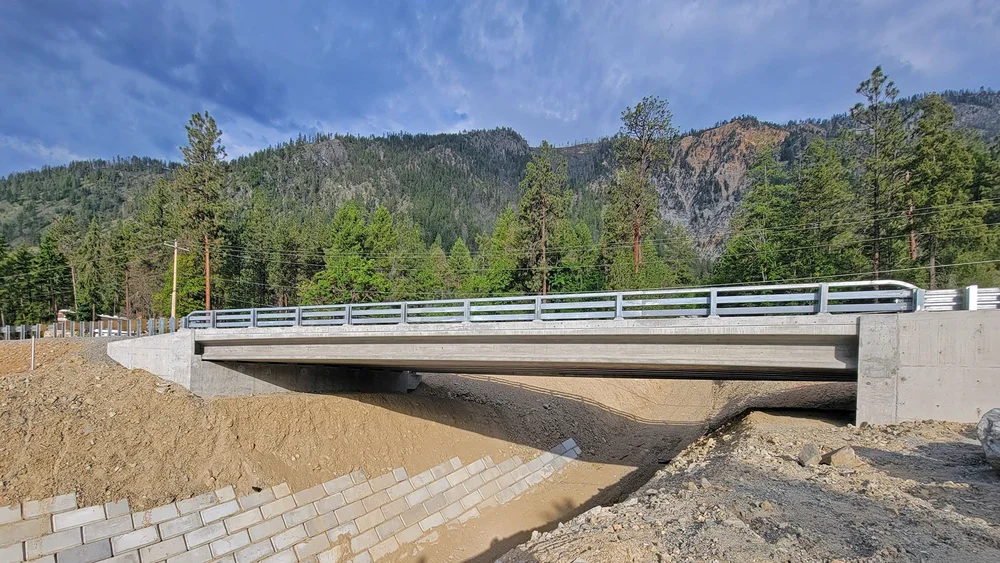
Stemilt Creek Bridge Scour Repair and Steelhead Channel Restoration
Chelan County, Washington
Our principal engineer served as engineer of record at a prior firm.
Water Resources
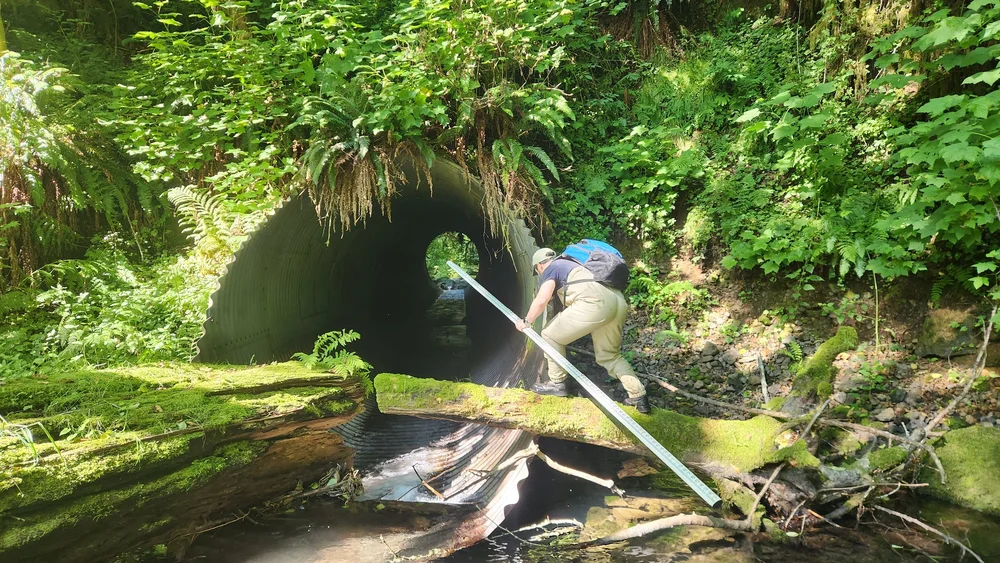
East Creek Fish Passage Culvert Removals and Forest Road Decommissioning
Tillamook County, Oregon
Designed by our principal engineer at a former firm.
Water Resources
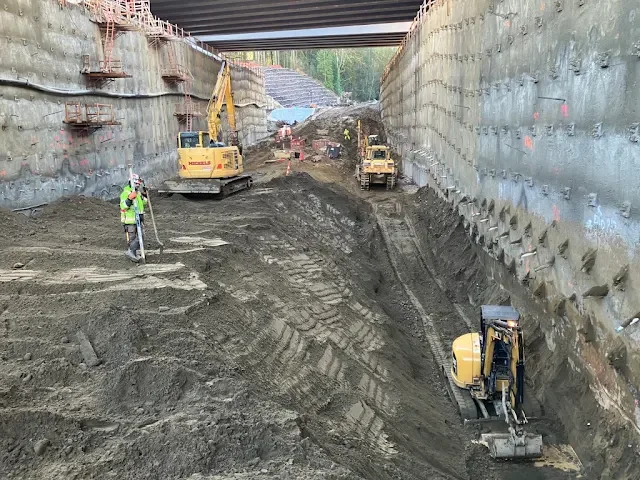
I-90 Sunset Creek Fish Passage: Four Bridges Replacing a 590-Foot Culvert System
Bellevue, Washington
Hydraulic engineering by a Cascadia Civil principal at a previous firm.
Water Resources / Municipal
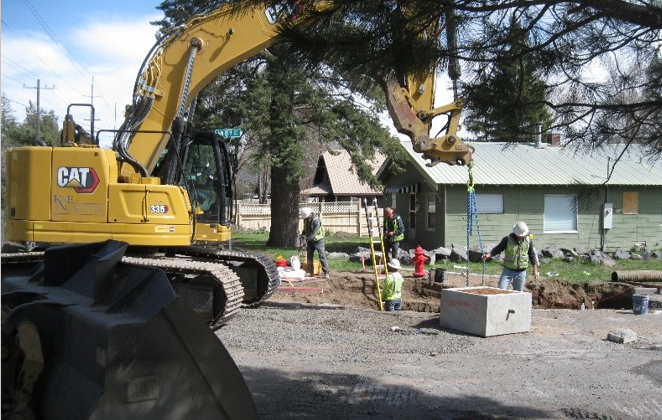
South Awbrey Butte 1D/2D Drainage Study for a 594-Acre Basin
Bend, Oregon
Work of a Cascadia Civil principal engineer at a prior firm.
Questions
Frequently asked questions.
What is a fish passage barrier, and who has to fix it?
A fish passage barrier is a culvert, dam, or other structure that blocks or impedes fish movement at some or all flows. In Washington, the federal culvert injunction requires WSDOT to correct barriers on state highways, and WDFW and the Brian Abbott Fish Barrier Removal Board fund corrections on local roads. In Oregon, ODFW fish passage rules apply when a structure in fish-bearing waters is installed, replaced, or abandoned, among other triggers.
What design standards do you use for fish passage?
In Washington, the WDFW Water Crossing Design Guidelines, usually the stream simulation or bridge design method. In Oregon, ODFW fish passage criteria (OAR 635-412-0035) and NOAA Fisheries guidance for salmonid passage. We confirm the applicable standard with the reviewing biologist at the start of design.
Do I need a 1D or 2D hydraulic model?
One-dimensional HEC-RAS is often enough for a floodway No-Rise analysis or a simple crossing. Two-dimensional models such as SRH-2D or HEC-RAS 2D are better for complex channels, skewed bridges, and habitat design where velocity patterns matter. We choose based on what the reviewer needs and what the site demands.
Do you work with watershed councils and nonprofits?
Yes. Restoration partners often need a feasibility study and concept design to support a grant application, then a design that can be built within the grant budget. Our principal engineer has worked with watershed councils, salmon recovery groups, and tribes on both.
Start a project
Working on a stream, a crossing, or a floodplain?
Tell us where the site is and what the agency is asking for. We will tell you what the analysis involves.